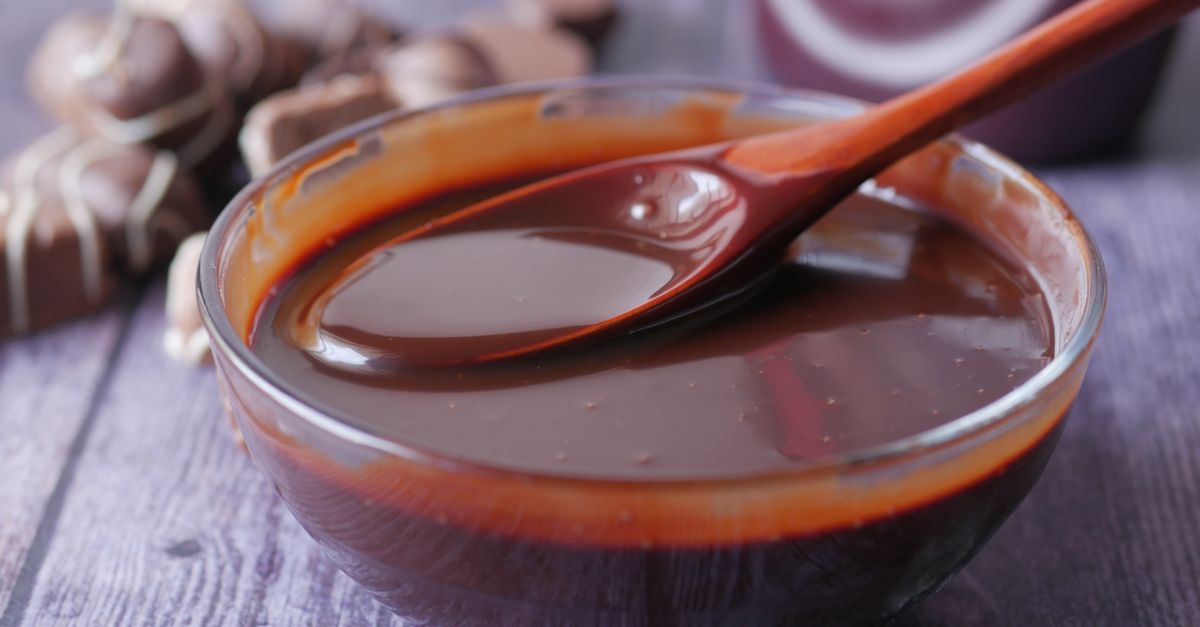
Why Your Homemade Sauces Are Watery (And The Pro Secrets for Rich, Velvety Perfection Every Time)
You’ve spent time carefully chopping ingredients, stirring, and simmering, imagining a rich, flavorful sauce that coats every morsel. But when you finally ladle it onto your pasta, vegetables, or meat, it’s… thin. Watery. It runs off the food, taking all that anticipated flavor with it, leaving a pale imitation of the culinary dream you envisioned. I’ve been there more times than I care to admit, especially in my early days of trying to recreate restaurant-quality meals at home. It’s frustrating to put in the effort only to have a sauce that tastes good but lacks that crucial body and texture.
Most home cooks assume a watery sauce means they just need to cook it down longer, or maybe add a bit more flour or cornstarch. While those can be part of the solution, they often mask deeper issues or lead to a sauce that’s thick but gummy or pasty. The real secret to truly rich, velvety sauces lies in understanding a few fundamental principles that professional kitchens master: layering flavor and texture from the very beginning, using the right ingredients at the right time, and having a keen eye for emulsification. It’s not just about what you add to thicken, but how you build the sauce from the ground up. What changed everything for me was realizing that a great sauce is built, not just assembled. Here’s what I learned that delivers perfection every time.
Key Takeaways
- Ensure proper initial liquid reduction and use flavorful stock, not just water, for a foundational depth that prevents watery results.
- Master the ”mise en place” of aromatics and deglazing to build complex flavor bases, which naturally support a thicker, richer sauce.
- Employ strategic emulsification techniques and correct fat ratios, like a beurre manié or finishing butter, to create silky, velvety textures.
- Opt for natural thickeners like puréed vegetables or properly cooked starches, avoiding the common mistake of adding too much too late.
The Overlooked Power of Proper Reduction (and Why Water is the Enemy)
Many home cooks start with too much liquid, or worse, the wrong kind of liquid. When you’re making a sauce, especially one that’s meant to be robust and full-bodied, water is almost always the enemy of richness. Water adds volume without flavor, and then you spend valuable time trying to boil it off, often losing some of the delicate aromatics and overcooking other ingredients in the process.
The mistake I see most often: Using water to deglaze a pan or as the primary liquid for a sauce, then expecting it to magically become rich through reduction alone. While reduction concentrates flavor, if you’re starting with diluted flavor, you’ll end up with concentrated diluted flavor. And by the time it thickens, many ingredients might be overcooked and bland.
What actually works: Always start with high-quality stock or broth – preferably homemade or a good store-bought low-sodium version. This immediately provides a flavor foundation. For example, if I’m making a pan sauce for chicken, after searing, I’ll deglaze with a good chicken stock, maybe a splash of white wine, and then reduce that. The initial volume should be just enough to cover the bottom of the pan and incorporate the fond (those caramelized bits) without drowning it. A general rule I follow is to start with no more than 1 to 1.5 cups of liquid for a quick pan sauce for 2-4 servings. Allow this to reduce by at least half, or even two-thirds, before considering any additional thickening agents. This concentration alone will make a massive difference in body and taste.
Building the Flavor Base: Beyond Just Throwing Things in a Pot
A watery sauce often lacks a solid flavor base. It’s not just about the final liquid, but how you build up flavor from the very first step. This is where mise en place and understanding the progression of flavors becomes critical.
The mistake I see most often: Adding onions, garlic, and other aromatics to a lukewarm pan, or not allowing them to properly caramelize. Or, conversely, burning them. This creates bitter notes or simply releases their water content too quickly, diluting the initial flavor rather than building it.
What actually works: Heat your fat (butter, olive oil, or a combination) in the pan until it shimmers. Then, add your harder aromatics like onions, carrots, or celery first. Cook them slowly over medium-low heat until they become translucent and slightly caramelized, releasing their sugars. This can take 5-7 minutes for onions, and you’re looking for a deep, golden color, not just softness. This slow sautéing is crucial for developing complex, sweet notes that add body and richness. Only then do you add softer aromatics like garlic, cooking for another minute until fragrant, but never browned. This initial step of patiently building a soffritto or mirepoix prevents the aromatics from just steaming and contributing more water to your sauce. Finally, use a high-acid liquid (like wine, vinegar, or citrus juice) to deglaze the pan while it’s still hot, scraping up all those flavorful browned bits (the fond). This fond is pure flavor gold that adds incredible depth and prevents your sauce from tasting watery and one-dimensional.
The Art of Emulsification and Strategic Fat Management
Many home cooks shy away from fat, or they add it incorrectly, leading to separated or heavy sauces. Fat, when used strategically, is not just about flavor; it’s a critical component for texture and mouthfeel, preventing that watery feel.
The mistake I see most often: Trying to make a sauce completely fat-free, or adding a lump of butter at the very end hoping it will magically transform everything. While a monte au beurre (finishing with butter) is a pro move, it only works if the sauce has the right structure already.
What actually works: Embrace the power of emulsification. When fats and liquids are properly combined, they create a stable, smooth, and velvety texture. One classic technique is the roux (equal parts fat and flour cooked together), which provides both thickening and a rich base. For a quick pan sauce, however, a beurre manié (equal parts softened butter and flour kneaded together) is a lifesaver. Whisk a small piece into a simmering sauce, and it will thicken beautifully without lumps, adding richness simultaneously. Use 1 tablespoon of beurre manié per cup of liquid as a starting point, adding more if needed. Another pro trick is to finish with a monte au beurre: once your sauce is reduced and off the direct heat, whisk in a few cold cubes of butter until melted and incorporated. This emulsifies the fat into the sauce, creating a glossy, silky texture and a richer mouthfeel that prevents any watery sensation. The key is to add cold butter off the heat to prevent it from separating.
Natural Thickeners and Avoiding Gummy Starches
When your sauce is still watery after proper reduction and flavor-building, it’s time for a thickener. But not all thickeners are created equal, and timing is everything. Relying solely on flour or cornstarch can often lead to a gummy, opaque, or overly pasty sauce if not handled correctly.
The mistake I see most often: Dumping dry flour or cornstarch directly into a hot sauce, leading to lumps and a distinctly starchy taste and texture. Or, adding too much starch too quickly, making the sauce overly thick and losing its elegant fluidity.
What actually works: First, consider natural thickening agents. Puréed vegetables, like roasted bell peppers, tomatoes, or even a small amount of cooked potato, can add body and depth without any starchy flavor. For example, when I make a tomato sauce, I often blend a portion of the sauce with some of the cooked vegetables to create a thicker base. Another excellent natural thickener is cream or coconut milk (for dairy-free options). A good quality heavy cream, reduced slowly, adds incredible richness and velvetiness.
If using starches, always make a slurry. For cornstarch, whisk 1 tablespoon with 2 tablespoons of cold water (or stock) until smooth. Slowly whisk this into your simmering sauce, letting it cook for at least 1-2 minutes to allow the starch to fully hydrate and thicken, and to cook out any raw starch flavor. For flour, a roux is best, but if you’re adding it late, use a beurre manié as described above. The maximum thickening power of cornstarch is often reached at a vigorous simmer, so don’t be tempted to add more slurry too quickly. Patience is key. Remember, less is often more; you can always add a bit more, but it’s nearly impossible to thin out an overly thick, starchy sauce gracefully without compromising flavor.
Fine-Tuning and Finishing Touches: The Pro’s Secret Weapons
Even after all the right steps, a sauce can benefit immensely from a few final adjustments that elevate it from good to truly exceptional, ensuring it has that perfect velvety finish.
The mistake I see most often: Not tasting and adjusting at the very end, or adding final garnishes that don’t enhance the texture or emulsification.
What actually works: The final stage is all about balance and polish. Taste your sauce critically. Does it need more salt? A pinch of sugar to balance acidity? A squeeze of lemon juice or a dash of vinegar can brighten flavors and cut through richness, preventing it from feeling heavy. Fresh herbs, stirred in at the last minute, add vibrancy. For a truly velvety texture, consider passing your sauce through a fine-mesh sieve (a chinois) to remove any stray lumps or solids. This extra step ensures a restaurant-quality smoothness that feels luxurious on the palate. Finally, as mentioned, a monte au beurre (whisking in a few cold pats of butter off the heat) not only adds shine and richness but helps to emulsify and smooth the sauce, providing that professional, velvety finish. A little bit of this cold butter emulsified into a warm sauce can literally change the whole mouthfeel and bring it to life.
By focusing on these fundamental principles—starting with quality liquids, building a robust flavor base, understanding fat’s role in emulsification, and using thickeners judiciously—you’ll move beyond watery disappointments and consistently create sauces that are rich, deeply flavorful, and beautifully velvety every time.
Frequently Asked Questions
Q: Why does my sauce sometimes taste chalky or floury even when it’s thick?
A: This usually happens when flour or cornstarch hasn’t been cooked long enough. For flour, ensure you cook your roux for at least 2-3 minutes to cook out the raw flour taste. For cornstarch, a slurry needs to simmer in the sauce for 1-2 minutes to fully hydrate and lose its raw starch flavor. If you add too much starch too quickly, it can also overpower the flavor and create that chalky taste.
Q: Can I use vegetable broth instead of meat-based stock for a rich sauce?
A: Absolutely! High-quality vegetable broth can provide an excellent flavor base. Look for low-sodium, full-bodied varieties. To enhance richness, consider roasting your vegetables first before making the broth, or incorporating puréed roasted vegetables into your sauce as a natural thickener. A mushroom broth, for instance, offers a fantastic umami depth.
Q: My sauce looks oily and separated. What went wrong?
A: This is typically an issue with emulsification breaking. It can happen if the sauce gets too hot after butter or cream has been added, if fat is added too quickly, or if the sauce is too cold and the fat solidifies. To fix it, try slowly whisking in a small amount of warm stock or water, or a fresh pat of cold butter (off the heat), to help re-emulsify. Sometimes, vigorously whisking it over very low heat can bring it back together.
Q: How can I thicken a sauce without adding any flour or cornstarch?
A: There are several great methods: reduction (simmering to evaporate liquid), puréeing vegetables (onions, carrots, bell peppers, or even beans can add body), adding cream or coconut milk (which thickens as it reduces), using egg yolks (liason method, whisked with a bit of warm sauce before adding back to the pot), or even adding a small amount of nut butter for certain types of sauces. These methods often provide richer flavor and a smoother texture than starch-based thickeners.
Q: Is it better to thicken a sauce on high heat or low heat?
A: Generally, you want to thicken a sauce over medium to medium-low heat, especially when using starches. High heat can cause starches to thicken too quickly, leading to lumps or a gummy texture, and can also lead to burning. A gentle simmer allows for controlled reduction and even hydration of thickeners, ensuring a smooth, velvety consistency. If you’re just reducing, a more vigorous simmer is fine, but keep an eye on it to prevent scorching.
Written by Lena Petrova
home organization & sustainable living
A veteran journalist with an eye for practical solutions and a passion for simplifying complex topics.
You Might Also Like

Why Your Homemade Pizza Crust Isn't Crispy (And The Pro Secrets That Deliver Pizzeria-Quality Crunch Every Time)
Tired of soggy pizza crust? Discover the common mistakes that steal your crunch and the pro secrets to achieve a perfectly crispy, pizzeria-quality crust at home.
Why Your Homemade Brownies Are Chalky (And The Simple Shifts That Guarantee Fudgy Perfection Every Time)
Stop settling for dry, chalky brownies. Discover the precise shifts in ingredients and technique that guarantee rich, fudgy brownies every single time.

Why Your Home Still Feels Stuffy (Even with Windows Open) — And What Actually Works for Real Fresh Air
Discover why opening windows isn't enough for fresh air and the hidden culprits making your home stuffy. Get expert tips for real air quality.