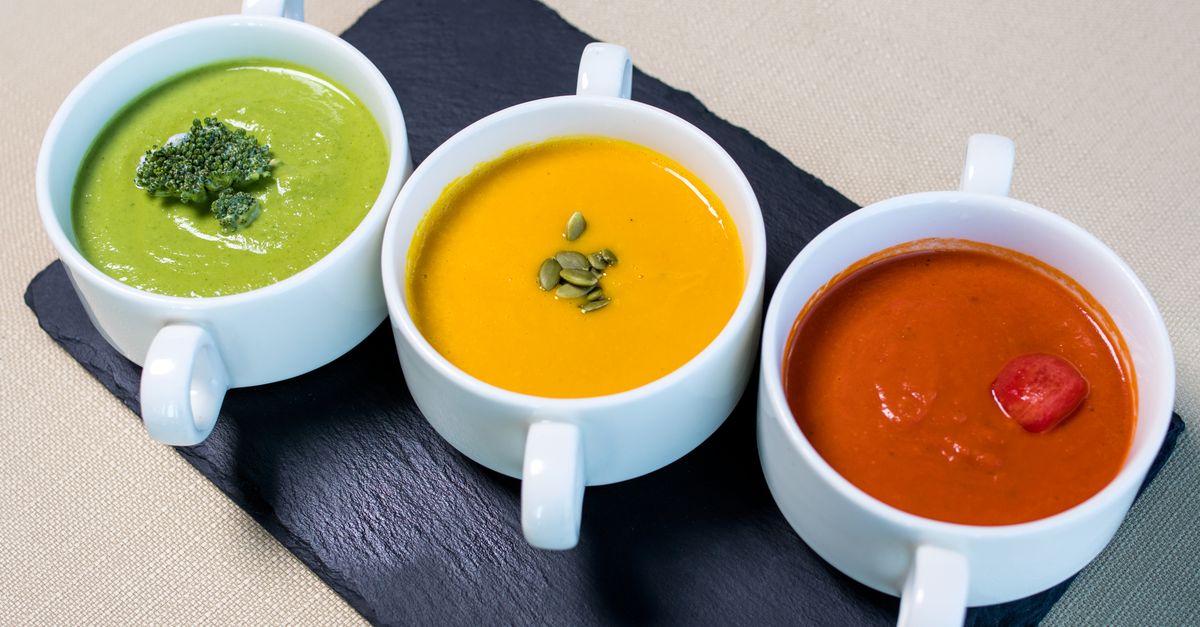
Why Your Homemade Soup Is Bland (And The Flavor Secrets That Changed Everything For Me)
You’ve spent an hour chopping, simmering, and stirring, convinced this batch of homemade soup would be a triumph. But then, that first spoonful hits, and… it’s just flat. The vegetables are there, the broth looks rich, yet it lacks that profound, comforting depth you crave from a really good soup. It tastes like something is missing, and no amount of salt seems to fix it. This used to be my biggest frustration in the kitchen, leading to many a disappointing dinner.
I’ve been there. For years, my soups were, to put it politely, merely “okay.” They were nourishing, sure, but they never had that elusive, soul-satisfying complexity that makes you want to go back for a second, third, or even fourth bowl. I followed recipes to the letter, used fresh ingredients, and still, the magic eluded me. The mistake I see most often, and one I made for far too long, is thinking that good soup is just about simmering ingredients together. It’s not. It’s about building flavor in layers, understanding the why behind each step, and making intentional choices that transform simple ingredients into something extraordinary. What changed everything for me was realizing that the secret to truly flavorful soup lies not just in what you add, but how and when you add it, and understanding the role of concentration and balance.
Key Takeaways
- Build flavor from the ground up by properly browning aromatics and protein before adding liquids.
- Utilize umami bombs like tomato paste, mushrooms, and Parmesan rinds to infuse deep, savory notes.
- Don’t underestimate the power of a long, slow simmer to develop and concentrate flavors naturally.
- Balance your soup with acid, heat, and freshness right before serving to brighten and enhance every spoonful.
The Fatal Flaw: Skipping the Browning Stage
For years, my soup ritual began with tossing onions and carrots into a pot with a glug of oil, letting them soften slightly, and then adding water or broth. Blandness was practically guaranteed. The biggest, most fundamental mistake I see people make (and one I made for far too long) is under-developing the base layer of flavor. This happens by not properly browning your aromatics and any proteins you might be using.
Think of it this way: raw vegetables taste like raw vegetables. Cooked vegetables have a different, often sweeter and more complex flavor. Browned vegetables and proteins? They’re an entirely different beast. The Maillard reaction, that beautiful chemical process that gives seared meat its irresistible crust and roasted vegetables their deep sweetness, is absolutely crucial for soup. It creates hundreds of new flavor compounds that simply won’t develop if you just steam your ingredients in liquid.
In my kitchen, this means a rigorous browning process. If I’m making a chicken noodle soup, the chicken pieces get a hard sear first, pulled out, and then the onions, carrots, and celery go in. I let them caramelize slowly, sometimes for 10-15 minutes, stirring occasionally until they’re deep golden-brown, almost sticky, on the bottom of the pot. If I’m making a vegetarian bean soup, the same principle applies to the mirepoix, or even diced mushrooms if I’m adding them. That fond (the browned bits on the bottom of the pot) is pure gold; it’s where all the magic starts. Deglazing with a splash of wine or a little broth lifts these flavors right back into the soup, forming the bedrock of its deliciousness. Skipping this step is like building a house on sand – it simply won’t hold up.
The Umami Missing Link: Not Enough Savory Depth
Even with perfectly browned aromatics, my soups still sometimes felt like they were missing something. That something, I eventually learned, was often umami. Umami is that fifth taste, often described as savory, meaty, or rich. It’s what gives Parmesan cheese, mushrooms, and ripe tomatoes their irresistible depth, and it’s a non-negotiable for truly great soup. Without it, your soup might be pleasant, but it won’t be profoundly satisfying.
The mistake I see most often here is relying solely on basic broth or water. While essential for liquid volume, they don’t always bring enough umami on their own. What changed everything for me was intentionally incorporating umami boosters into almost every soup I make. My go-to arsenal includes:
- Tomato Paste: Even for non-tomato-based soups, a tablespoon or two of tomato paste, cooked down with the aromatics until it darkens slightly, adds an incredible, subtle depth without making the soup taste like tomato. The concentrated glutamates in the paste are pure umami.
- Mushrooms (especially dried): A handful of dried porcini mushrooms rehydrated in hot water (then chopped and added, along with their strained soaking liquid) can transform a humble vegetable soup. Fresh mushrooms, properly browned, also contribute significantly.
- Parmesan Rinds: Never throw these away! Stash them in your freezer and drop one into your simmering soup. It infuses a nutty, salty, deeply savory flavor that’s subtle yet transformative. Just remember to pull it out before serving.
- Soy Sauce or Fish Sauce: A small dash (start with half a teaspoon) of either of these can dramatically enhance savory notes, even in non-Asian soups. It’s not about making the soup taste like soy or fish, but about amplifying the existing flavors. I’ve added fish sauce to my chicken noodle soup and watched people scratch their heads trying to figure out the secret ingredient.
- Nutritional Yeast: For vegetarian and vegan soups, this is a fantastic cheesy, savory addition that’s packed with umami. A tablespoon or two can make a significant difference.
These ingredients act like flavor amplifiers, taking your soup from good to unforgettable. It’s a deliberate strategy, not a lucky accident, to infuse that deep, satisfying savory character.
The Under-Seasoning Trap: Not Enough Salt, Not Enough Herbs
“Just add salt to taste” is common advice, but it’s often misinterpreted. The mistake I see frequently is under-seasoning throughout the cooking process, leading to a scramble at the end that rarely achieves true balance. When you dump a large amount of salt at the very end, it often tastes distinctly salty, rather than integrated into the dish’s overall flavor profile.
Salt is a flavor enhancer, not just a flavor in itself. It wakes up other ingredients. In my experience, you need to season in layers. This means:
- Seasoning the aromatics: A pinch of salt when you’re browning your onions and carrots helps draw out their moisture and intensifies their flavor as they caramelize.
- Seasoning the stock/water: When you add your liquid, season it. Not to perfection, but enough to give it a baseline flavor. As the soup simmers and reduces, the salt will concentrate along with the other flavors.
- Seasoning the additions: If you’re adding pre-cooked beans or plain pasta, give them a pinch of salt too. Every component should contribute.
But beyond salt, herbs and spices are where character truly comes alive. The mistake here is often using dried herbs incorrectly or not using fresh herbs effectively. Dried herbs like oregano, thyme, and bay leaves need time to release their flavors. They should be added early in the simmering process, often with the liquid, so they have ample time to steep. Fresh herbs, on the other hand, are best added in two stages:
- Hardy fresh herbs (rosemary, thyme sprigs): Can be added during the last 30-60 minutes of simmering for a deeper infusion.
- Tender fresh herbs (parsley, cilantro, dill, basil): Should be stirred in right at the very end, or even sprinkled on top as a garnish. Their delicate flavors and vibrant colors are best preserved with minimal heat. Adding them too early will result in muted flavor and a sad, wilted appearance.
My game-changer was tasting the soup every 15-20 minutes during the simmer, and adjusting the seasoning bit by bit. This iterative process allows you to build a complex, well-rounded flavor that tastes integrated, not just salty.
The Over-Dilution Dilemma: Too Much Liquid, Not Enough Reduction
Many home cooks (including my past self) fall into the trap of adding the full amount of broth or water specified in a recipe right at the beginning, then keeping the lid on tight. The result? A watery, diluted soup, because the flavors never had a chance to concentrate. The mistake is not allowing for reduction, which is critical for depth.
Flavor concentration happens when water evaporates, leaving behind a more intense version of the ingredients. A long, slow simmer with the lid partially ajar, especially during the latter half of cooking, is essential. This allows steam to escape, reducing the liquid volume and intensifying the flavors.
What truly changed my soup game was understanding that liquid amounts are often a suggestion, not a strict rule. I now typically start with slightly less liquid than a recipe calls for, and add more gradually if needed. My process looks like this:
- Add just enough liquid to cover: After browning aromatics and any proteins, I add enough broth or water to just barely cover the solid ingredients. This is when the main simmer begins.
- Simmer partially covered: For the first hour or two (depending on the soup), I let it simmer with the lid slightly ajar. This gently reduces the liquid and allows flavors to meld and deepen.
- Check consistency and taste: After a good simmer, I taste and assess the consistency. If it’s too thick, I add more liquid, a half cup at a time, until it reaches the desired texture. If it’s still too thin, I remove the lid entirely for the last 30 minutes or so to encourage more evaporation.
This method allows me to control the final consistency and, more importantly, ensures that the flavors are as concentrated and rich as possible. It’s a subtle shift, but one that yields dramatically better results than blindly following liquid measurements.
The Final Touch: Forgetting to Brighten and Balance
You’ve built your base, added umami, seasoned in layers, and achieved great concentration. Your soup is rich and savory. But sometimes, even then, it can still feel a little heavy or one-note. The final mistake I often see, and one that separates good soup from great soup, is neglecting the finishing touches that brighten and balance the flavor profile.
Just before serving, your soup needs a burst of freshness or a touch of acidity to really make all those deep flavors sing. What changed everything for me was consistently asking myself: “What does this soup need to pop?”
My essential balancing agents, added right before serving, include:
- Acid: A squeeze of fresh lemon or lime juice, a splash of vinegar (red wine, apple cider, or balsamic), or even a dollop of plain yogurt or sour cream can cut through richness, brighten flavors, and provide a much-needed counterpoint. This is especially crucial for creamy or hearty, rich soups. I often add a teaspoon of apple cider vinegar to bean soups or a squeeze of lemon to chicken soups.
- Heat (if desired): A pinch of red pepper flakes, a dash of hot sauce, or a swirl of chili oil can add an exciting kick that awakens the palate and highlights other flavors.
- Fresh Herbs: As mentioned before, a generous sprinkle of fresh, tender herbs like parsley, cilantro, chives, or basil is indispensable. They add vibrant color, fresh aroma, and a burst of clean flavor that can’t be achieved by simmering.
- Richness (if needed): A drizzle of high-quality olive oil, a swirl of cream, a pat of butter, or a sprinkle of freshly grated Parmesan can add a luxurious mouthfeel and reinforce existing flavors, especially in simpler vegetable soups.
These last-minute additions are not optional; they are the chef’s secret weapon. They awaken the soup, elevate its complexity, and ensure that every spoonful is vibrant and exciting, rather than merely satisfying. It’s the difference between a symphony that plays all the notes correctly and one that truly sings.
Frequently Asked Questions
## How can I fix bland soup that’s already cooked?
Don’t despair! You can often rescue bland soup. First, simmer it uncovered for another 15-30 minutes to reduce and concentrate flavors. Next, add umami boosters like a tablespoon of tomato paste (cook it briefly in a separate pan with a little oil before adding), a dash of soy sauce or fish sauce, or a Parmesan rind (simmer for 10-15 minutes). Taste and adjust salt in small increments. Finally, finish with acid (lemon juice, vinegar) and fresh herbs right before serving to brighten the entire dish.
## What’s the best way to add deep savory flavor to vegetarian soups?
For vegetarian soups, focus on plant-based umami. Brown your vegetables aggressively – especially onions, carrots, celery, and mushrooms – until they are deeply caramelized. Add tomato paste and cook it down. Incorporate dried mushrooms (and their strained soaking liquid). Nutritional yeast is an excellent cheese-like, savory booster. A dash of soy sauce or even a miso paste swirl at the end can also work wonders.
## Should I use water or broth for soup?
Always opt for good quality broth (chicken, beef, or vegetable) over water for a more flavorful base. If using water, ensure you’re compensating with extra browning, umami boosters, and generous seasoning throughout to build flavor from scratch. Homemade broth is always superior, but a good store-bought low-sodium broth is a perfectly acceptable starting point.
## When should I add spices to soup?
It depends on the spice. Ground spices (like cumin, coriander, turmeric, paprika) benefit from being toasted lightly with your aromatics (onions, garlic) before adding liquid; this ‘blooms’ their flavor. Whole spices (like bay leaves, star anise, cinnamon sticks) can be added early with the liquid to infuse throughout the simmer. Dried herbs (oregano, thyme) also need early addition. Fresh, tender herbs (parsley, cilantro, basil) should be added at the very end or as a garnish to preserve their delicate flavor and vibrant color.
## Can I use frozen vegetables in soup, and will they make it bland?
You can absolutely use frozen vegetables in soup, but be mindful. They generally contain more water, which can dilute flavor. To prevent blandness: don’t add them until the last 15-20 minutes of cooking to avoid overcooking. Ensure your soup base (browning aromatics, broth, umami) is already well-developed before adding them. You may need to simmer the soup for a little longer after adding frozen vegetables (with the lid off) to allow some of that extra moisture to evaporate and flavors to re-concentrate.
Making truly delicious soup isn’t about complex techniques or exotic ingredients; it’s about understanding the fundamentals of flavor building. By consistently focusing on properly browning your base, injecting layers of umami, seasoning judiciously throughout, allowing for intentional reduction, and finally, brightening with acidity and fresh herbs, you’ll transform your homemade soups from merely acceptable to utterly irresistible. The next time you set out to make soup, remember these layers. Your taste buds—and your family—will thank you for it. Start with that perfect browning, and build from there. You’ve got this.
Written by Lena Petrova
home organization & sustainable living
A veteran journalist with an eye for practical solutions and a passion for simplifying complex topics.
You Might Also Like

Why Your Homemade Pizza Crust Isn't Crispy (And The Pro Secrets That Deliver Pizzeria-Quality Crunch Every Time)
Tired of soggy pizza crust? Discover the common mistakes that steal your crunch and the pro secrets to achieve a perfectly crispy, pizzeria-quality crust at home.
Why Your Homemade Brownies Are Chalky (And The Simple Shifts That Guarantee Fudgy Perfection Every Time)
Stop settling for dry, chalky brownies. Discover the precise shifts in ingredients and technique that guarantee rich, fudgy brownies every single time.

Why Your Home Still Feels Stuffy (Even with Windows Open) — And What Actually Works for Real Fresh Air
Discover why opening windows isn't enough for fresh air and the hidden culprits making your home stuffy. Get expert tips for real air quality.