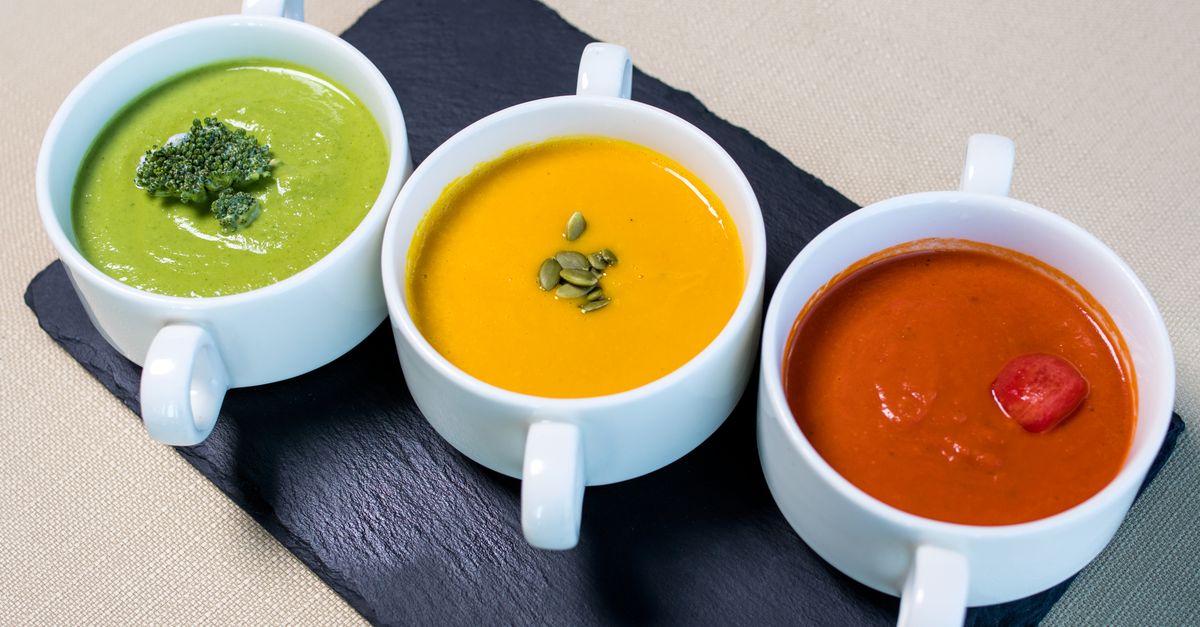
Why Your Homemade Soup Is Bland (And The Flavor Secrets That Changed Everything For Me)
There’s a silent frustration that haunts many home cooks: the bland soup. You follow a recipe, chop your vegetables, simmer for hours, and still, the result is… edible, but utterly unremarkable. It tastes watery, or one-note, or just flat. I’ve been there more times than I care to admit. For years, my soups were merely vehicles for other ingredients, never truly satisfying on their own. I blamed the recipes, the quality of my vegetables, even my pots. But what I eventually discovered, after countless mediocre batches and a deep dive into the culinary science behind flavor, is that the problem isn’t usually a single missing ingredient, but rather a series of overlooked foundational techniques. These aren’t fancy, gourmet tricks; they are simple, cumulative steps that build layers of richness and depth, transforming a forgettable liquid into a soul-warming masterpiece. The mistake I see most often is treating soup like a one-and-done process, when in reality, it’s a careful dance of building blocks, each adding its own voice to the final symphony.
Key Takeaways
- Stop relying solely on simmering time for flavor; active browning and caramelization of aromatics is your first, most critical step.
- Introduce umami-rich ingredients like tomato paste or Parmesan rinds early in the cooking process to build a robust savory foundation.
- Layer your salt, pepper, and herbs at different stages, and consider finishing with an acidic element to brighten and enhance all flavors.
- Opt for homemade stock whenever possible, as its depth far surpasses store-bought versions, providing an irreplaceable base.
You’re Not Building a Flavor Foundation (The Sauté Stage Matters More Than You Think)
The biggest culprit behind bland soup, in my experience, isn’t a lack of exotic spices or expensive ingredients; it’s a failure to properly build the flavor foundation right at the beginning. Most home cooks, myself included for a long time, throw their chopped onions, carrots, and celery (the ‘mirepoix’ or ‘soffritto’) into a pot with a little oil, sauté for a few minutes until translucent, and then add liquid. This is where the magic isn’t happening.
What actually works is investing significant time and heat into this initial sauté. You’re not just softening vegetables; you’re actively browning and caramelizing them. This process creates hundreds of new flavor compounds through the Maillard reaction, developing deep, nutty, and sweet notes that simply don’t exist in pale, undercooked aromatics. Think about it like charring bread – it transforms a neutral flavor into something complex and delicious. If your onions aren’t golden brown, almost sticky, and smelling intensely sweet, you haven’t gone far enough. This stage can take 10-15 minutes, or even longer, over medium heat, stirring occasionally. Don’t rush it. The little browned bits stuck to the bottom of the pot? Those are pure flavor gold, waiting to be scraped up by your liquid.
Actionable Insight: Dedicate at least double the time you currently spend on sautéing your aromatics. Aim for deep golden-brown onions, slightly softened carrots and celery, and a noticeable sweet, savory aroma. The fond (the browned bits on the bottom of the pot) is your friend; ensure it develops before adding any liquid.
You’re Missing Umami (The Secret to Savory Depth)
Once you’ve built that initial caramelized foundation, the next common oversight is neglecting umami. Umami, often described as a savory, meaty taste, is the fifth basic taste and it’s absolutely crucial for a soup that feels rich and satisfying, not just salty or spicy. Many store-bought soups taste decent because they often rely heavily on MSG or yeast extract for umami. You don’t need artificial additives; you need natural, umami-rich ingredients incorporated at the right time.
For me, the game-changers were simple additions like tomato paste and Parmesan rinds. A tablespoon or two of tomato paste, cooked down for a few minutes with your aromatics until it darkens and concentrates, adds a profound, tangy umami depth. It loses its raw tomato flavor and becomes something far more complex. Similarly, a leftover Parmesan rind (or two, depending on the pot size) simmered in the soup from the beginning releases incredible savory notes and a subtle creaminess. Other great umami boosters include dried mushrooms (especially porcini, rehydrated and then chopped), soy sauce, fish sauce (just a dash, it won’t make your soup taste like fish), or even a good splash of red wine, reduced down fully with your aromatics.
Actionable Insight: Always include at least one strong umami booster in your soup base. For most savory soups, 1-2 tablespoons of tomato paste, cooked down until brick-red, is an excellent start. If you have them, simmer a Parmesan rind from the moment you add your liquid until serving.
You’re Under-Seasoning or Seasoning Incorrectly (Salt and Acidity Are Not Afterthoughts)
This might seem obvious, but many people season with a timid hand, or they only season at the very end. Proper seasoning is a multi-stage process, and it extends beyond just salt and pepper.
Salt: You need to layer your salt. Add a pinch or two to your aromatics as they sauté – this helps draw out moisture and intensify their flavor. Then, season again after you add your liquid and other major ingredients. Finally, and crucially, taste and adjust just before serving. Different ingredients require different amounts of salt, and a long simmer can concentrate flavors, including saltiness. The biggest mistake is to assume one final sprinkle will fix everything. A bland soup often just needs more salt, but added judiciously throughout.
Acidity: This is the most overlooked secret weapon in a home cook’s arsenal. A squeeze of lemon juice, a splash of red wine vinegar, or even a dash of apple cider vinegar added right at the end of cooking can brighten all the other flavors, making them pop. It doesn’t make the soup taste sour; it simply elevates everything, cutting through richness and providing balance, much like salt does. In my experience, a tablespoon of apple cider vinegar in a pot of lentil soup or a squeeze of lemon in a chicken noodle can transform it from ‘good’ to ‘amazing.’
Actionable Insight: Season in layers, tasting at each major step (after sautéing aromatics, after adding liquid, before serving). And for most savory soups, add 1-2 teaspoons of a mild acid (lemon juice, red wine vinegar) in the last 5 minutes of cooking. Taste before and after – the difference is often astonishing.
You’re Using Weak, Store-Bought Stock (It’s Holding Your Soup Back)
This is a hard truth, but it needs to be said: most commercially available chicken or vegetable broths and stocks are incredibly weak, often tasting more like salted water with a hint of flavoring than a true, rich base. They lack the gelatin, the deep roasted notes, and the complex savory profile that a homemade stock provides. If you’re building a house on a weak foundation, no matter how beautiful your decorations, it will never feel solid.
Making your own stock isn’t as daunting as it sounds, and it’s a monumental leap for your soup quality. A basic chicken stock can be made with leftover roasted chicken bones, some aromatics, and water, simmered for a few hours. Vegetable stock is even simpler – just vegetable scraps and water. The difference in the finished soup is night and day. Homemade stock brings inherent depth and body, providing a rich backdrop against which all your other ingredients can shine. If time is truly a constraint, opt for bone broth over regular stock, as it generally has more body and flavor.
Actionable Insight: Commit to making your own homemade stock at least once a month. Freeze it in portions. If you absolutely must use store-bought, look for low-sodium bone broth and reduce it by about 25% to concentrate its flavor before using.
You’re Not Stirring in Fresh Herbs at the Right Time (Freshness is Key)
While dried herbs and spices are fantastic for building foundational flavors during the simmering process, fresh herbs are entirely different. Many home cooks toss fresh parsley or cilantro in at the beginning, or simmer rosemary for an hour, only to find their delicate flavors have vanished.
Fresh, tender herbs like parsley, cilantro, basil, and chives are best stirred in during the last few minutes of cooking, or as a garnish right before serving. Their vibrant, aromatic oils are volatile and break down quickly with prolonged heat, leading to a dull, cooked-out taste. Hardier fresh herbs like rosemary and thyme can withstand a bit more heat, so they can be added earlier (say, for the last 15-20 minutes of simmering), but even then, a final sprinkle of fresh chopped rosemary as a garnish will elevate the aroma.
The bright, peppery notes of fresh parsley or the distinct citrusy zing of fresh cilantro can lift an otherwise heavy or rich soup, providing a much-needed counterpoint and adding an instant burst of freshness that dried herbs simply cannot replicate.
Actionable Insight: Save your tender fresh herbs (parsley, cilantro, basil, chives) for the last 5 minutes of cooking or as a garnish. For hardier herbs like rosemary and thyme, add them in the final 15-20 minutes of simmering for optimal flavor without complete degradation.
You’re Missing Texture and Garnish (Soup Isn’t Just Liquid)
Even with perfectly flavored liquid, a soup can feel bland if it lacks textural contrast and visual appeal. We eat with our eyes first, and a homogenous bowl of liquid, no matter how tasty, can be less satisfying than one with varying elements. The mistake here is thinking of garnish as purely decorative; it’s an integral part of the flavor and texture experience.
Think about what makes a restaurant soup so appealing. It’s rarely just a bowl of broth. It often has a swirl of cream, some toasted croutons, a sprinkle of fresh herbs, a dollop of pesto, or even some crispy fried shallots. These aren’t just pretty; they add crunch, creaminess, freshness, and often an extra layer of flavor that enhances the overall dish. A soup that feels ‘missing something’ might just be missing a crunchy element to offset the softness of the cooked vegetables, or a creamy swirl to add richness.
Actionable Insight: Always consider a garnish that adds textural contrast and/or freshness. This could be simple croutons, toasted nuts or seeds, a swirl of olive oil or yogurt, a sprinkle of fresh herbs, crispy bacon bits, or even a dollop of chili oil. This small step adds significant perceived value and flavor depth.
Frequently Asked Questions
Q: My soup still tastes watery. What’s the fastest fix without over-reducing it?
A: If your soup tastes watery, it’s likely lacking in concentrated flavor rather than just being too thin. The quickest fix is to remove a ladle or two of the liquid, whisk in a tablespoon of tomato paste (if appropriate for the soup type), or a teaspoon of rehydrated, finely minced dried mushrooms, and then stir it back in. Another option is a quick slurry of cornstarch or flour mixed with a bit of cold water, whisked into the simmering soup to add a touch of body, but focus on adding more flavor concentrates first.
Q: Can I use bouillon cubes instead of stock?
A: While bouillon cubes or powders can provide a salty, savory base, they generally lack the depth and nuanced flavor of homemade stock or even a good quality bone broth. They often contain high amounts of sodium and artificial flavors. If you must use them, choose a low-sodium, high-quality brand, and consider using less than recommended by the package to avoid over-salting, then supplement with the umami boosters and browning techniques mentioned in the article.
Q: How do I prevent my soup from tasting too salty if I’m seasoning in layers?
A: The key is to add small amounts of salt at each stage and taste frequently. When simmering, aim for a slightly under-seasoned base, knowing that as the liquid reduces, the salt will concentrate. Do your final, critical taste test just before serving and adjust then. If you accidentally over-salt, you can sometimes mitigate it by adding more unsalted liquid (like water or weak stock), a raw potato (which can absorb some salt, then be removed), or a tablespoon of a mild acid like lemon juice or vinegar, which can make the salt less pronounced.
Q: What if I don’t have time to make my own stock?
A: I understand that homemade stock isn’t always feasible. In this case, invest in the highest quality low-sodium bone broth you can find. Look for brands that list real bones, vegetables, and minimal additives. To enhance it, consider reducing it by 25-30% on its own before adding it to your soup, to concentrate its natural flavors. Also, be extra diligent with properly browning your aromatics and adding umami-rich ingredients like tomato paste or dried mushrooms to compensate for the stock’s shortcomings.
Q: My vegetables in the soup are always mushy. How do I fix this?
A: Overcooked vegetables are a common issue. To prevent mushiness, add vegetables to your soup in stages based on their cooking time. Root vegetables like carrots and potatoes need more time and can go in earlier with the liquid. Softer vegetables like peas, corn, or delicate greens (spinach, kale) should be added much later, usually in the last 5-10 minutes of simmering, just until they are tender-crisp. You can also lightly sauté vegetables separately before adding them to the soup to retain some bite, or even roast heartier vegetables like squash or carrots before adding them to impart a deeper flavor and prevent them from disintegrating.
Learning to make truly flavorful soup is less about following a rigid recipe and more about understanding the principles of flavor building. It transformed my cooking, moving my soups from merely functional to genuinely delicious. Start by giving your aromatics the attention they deserve, layer in some umami, be bold but mindful with your seasoning, and finish with a flourish. You’ll be amazed at the depth you can achieve. The next step? Try incorporating one new technique from this article into your next soup batch. You might just find your new signature dish.
Written by Lena Petrova
home organization & sustainable living
A veteran journalist with an eye for practical solutions and a passion for simplifying complex topics.
You Might Also Like

Why Your Homemade Pizza Crust Isn't Crispy (And The Pro Secrets That Deliver Pizzeria-Quality Crunch Every Time)
Tired of soggy pizza crust? Discover the common mistakes that steal your crunch and the pro secrets to achieve a perfectly crispy, pizzeria-quality crust at home.
Why Your Homemade Brownies Are Chalky (And The Simple Shifts That Guarantee Fudgy Perfection Every Time)
Stop settling for dry, chalky brownies. Discover the precise shifts in ingredients and technique that guarantee rich, fudgy brownies every single time.

Why Your Home Still Feels Stuffy (Even with Windows Open) — And What Actually Works for Real Fresh Air
Discover why opening windows isn't enough for fresh air and the hidden culprits making your home stuffy. Get expert tips for real air quality.